.svg)
The Missing Link in Hormone Replacement Therapy
When HRT Isn't Enough: The Piece Most Providers Miss
Hormone replacement therapy (HRT) can be truly transformative. Research shows it's protective for brain health, cardiovascular health, and bone density, while effectively managing symptoms like insomnia, depression, anxiety, and hot flashes.
If you’ve started HRT but still feel like a stranger in your own body, you aren't doing it 'wrong.' You’re likely just missing the second half of the equation.
Finding the Right Hormone Formula Matters
Before we discuss the nervous system connection, it's important to understand that HRT isn't one-size-fits-all.
While traditional HRT often uses synthetic hormones or those derived from animal sources, BHRT (Bioidentical Hormone Replacement Therapy) uses hormones that are a molecular mirror image of what your body produces naturally. Because they are chemically identical to your own hormones, your body recognizes and utilizes them more seamlessly, often resulting in fewer side effects.
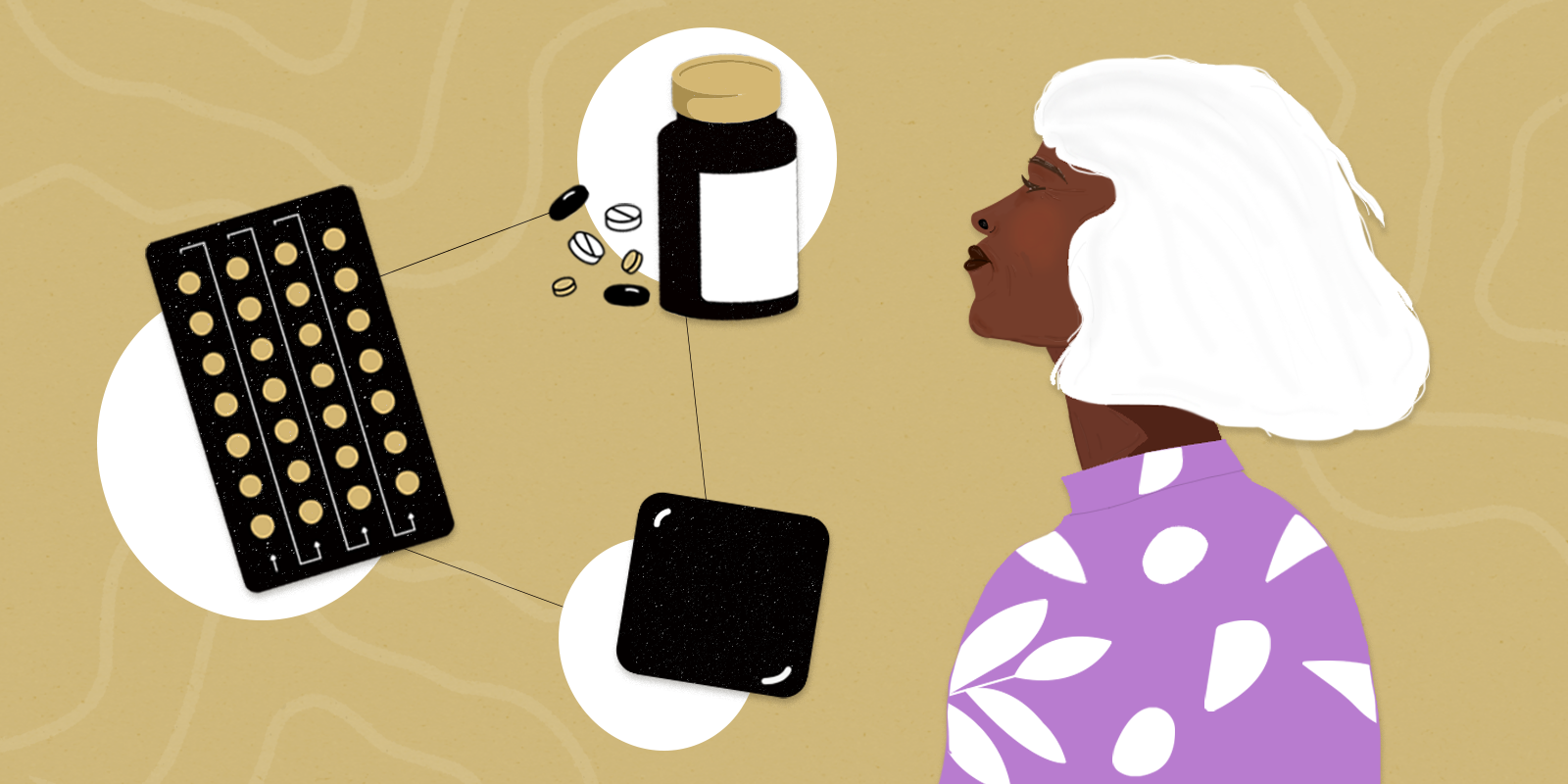
Different Delivery Methods Have Different Effects
Hormones can be administered through:
- Capsules
- Lozenges
- Pellets
- Patches
- Creams
- Suppositories
Each delivery method has different half-lives and impacts the body differently. What works for one woman may not work for another.
Different Hormone Combinations for Different Women
The main hormones used in HRT include:
- Estrogen (often in multiple forms)
- Progesterone
- Testosterone
Some women need all three. Others need estrogen and progesterone. Some do best with progesterone alone. Finding your unique "cocktail" requires expertise and often some trial and adjustment.
This is why working with a well-versed, experienced provider is essential.
The Missing Piece: Nervous System Support
Here's what most providers don't address: your bothersome symptoms aren't solely tied to declining hormones.
The real issue is that your nervous system is struggling to manage your body's response to hormonal changes.
Understanding the Ovary-to-Adrenal Transition
How Hormone Production Shifts with Age
As women, our primary source of hormones comes from the ovaries. As we age:
- Ovarian hormone production decreases
- We begin relying on the adrenal glands for smaller amounts of these hormones
- This transition happens gradually during perimenopause
The Adrenal-Cortisol Connection
The adrenal glands have a dual responsibility:
- Producing backup sex hormones (estrogen, progesterone, testosterone)
- Producing cortisol in response to stress
Think of your ovaries as the Department Manager. When they retire, the Adrenals (the Assistant) are expected to take over their workload. But if that Assistant is already burnt out from working 80-hour weeks (stress), the whole system collapses.
What Counts as "Stress" to Your Body
Your body is brilliant, but it can't differentiate between running from a bear and a toxic work environment. Other common sources of stress are:
- Prolonged anxiety about work or relationships
- Skipping meals or inadequate nutrition
- Raising children
- Running a business
- Being a caregiver
- Dealing with traffic
- Poor sleep quality
- Toxic work environments
- Abusive relationships
All of these trigger the same cortisol response. Over time, chronic stress depletes adrenal function.
Why This Makes Menopause More Symptomatic
When you enter perimenopause and menopause with already-compromised adrenal function:
- Your backup hormone production is insufficient
- The transition becomes more aggressive and symptomatic
- HRT alone may not fully address your symptoms
- You continue feeling unwell despite hormone treatment
The Solution: Prioritize the Nervous System Alongside HRT
In my practice, I achieve the best outcomes by addressing:
1. Nervous System Regulation
- Stress management techniques
- Vagal tone exercises
- Breath work and meditation
- Adequate rest, sleep and recovery
2. Hormone Replacement Therapy
- Properly dosed bio-identical hormones
- Appropriate delivery method
- Correct hormone combination for your body
3. Foundational Support
- Nutrition: Anti-inflammatory, nutrient-dense foods
- Movement: Regular, enjoyable physical activity
- Social connection: Community and meaningful relationships
- Hobbies and interests: Reconnecting with joy and purpose
Reframing Menopause: Transition, Not Decline
Menopause is demonized in our culture, portrayed as a rapid decline into irrelevance. This narrative is false and harmful.
Menopause is a transition and like all transitions, it has a beginning and an end.
Your Life Doesn't End at Menopause
With the right support, many women experience their best years during and after menopause, characterized by:
- Newfound confidence
- Hard-won wisdom
- Greater agency in their bodies and lives
- Freedom from menstrual concerns
- Deeper self-knowledge
The Path Forward
Menopause doesn't have to mean suffering. There are comprehensive solutions that:
- Provide preventative care
- Protect your health as you age
- Allow you to feel vibrant and well
- Support you through the transition
- Set you up for thriving in the decades ahead
The key is addressing the whole picture: hormones, yes, but also the nervous system, nutrition, movement, connection, and purpose.
If you've tried HRT but still don't feel like yourself, the missing piece may be nervous system support and adrenal health. Ready to find your missing link? Schedule a Meet & Greet Call to discuss your symptoms, or book your 60-minute Initial Consultation to begin your personalized journey toward balance.